
Dioniso y Ariadna
Dionysus and Ariadna

Primero, quiero dar la bienvenida a todos aquellos que han llegado aquí a través de la recomendación de Joan Tubau en Kapital. El 31 de agosto se me saturaron las notificaciones con un montón de nuevos seguidores. Para quien me quiera conocer un poco mejor, tuvimos una charla en su podcast hace un par de años.
En esa recomendación, Joan habla de la herida. Esa misma herida de la que, como Josep Pla, también habla Charlie Kaufman en su magnífica conferencia en los BAFTA, que conocí gracias al propio Joan y a este post. Yo, como fotógrafo, procuro crear desde esa herida. Me honra que Joan la reconozca.
Este Substack nació para mostrar mi trabajo fotográfico con un ritmo más pausado y reflexivo, lejos del algoritmo de Instagram. Poco a poco se ha convertido en un espacio donde asiento ideas y las acompaño con fotos. Una manera de compartir mi obsesivo mundo interior. No prometo regularidad: envío cuando de verdad creo que merece la pena.
Esta entrada va de un dios griego y de un parto; en el fondo, de esa herida.
First, I want to welcome all those who have arrived here through Joan Tubau’s recommendation in Kapital. On August 31, my notifications exploded with a wave of new subscribers. For anyone who wants to get to know me a little better, we had a conversation on his podcast a couple of years ago.
In that recommendation, Joan speaks of the wound. The same wound that, like Josep Pla, Charlie Kaufman also spoke about in his magnificent BAFTA lecture—a talk I discovered thanks to Joan and to that post. As a photographer, I try to create from that wound. It’s an honor that Joan recognizes it.
This Substack was born as a way to share my photographic work at a slower, more reflective pace, far from Instagram’s dopamine scroll. Little by little, it has turned into a space where I bring down ideas and accompany them with images. I don’t promise any regularity, I only send something when I feel it truly matters.
This entry is about a Greek god and a birth; ultimately, it is about that wound.
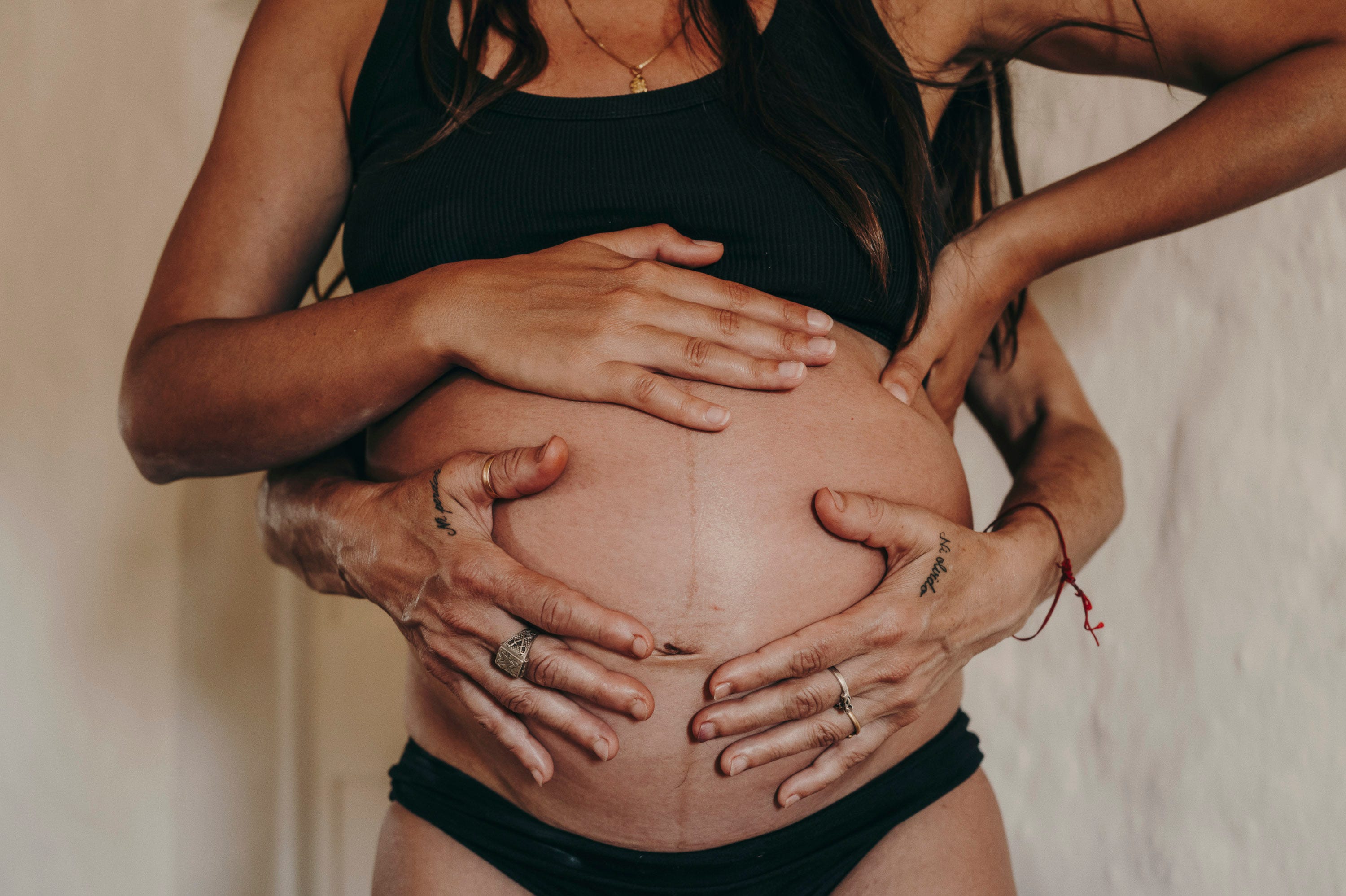
Hoy hace tres meses nació en casa Ariadna, mi segunda hija.
Tiendo a catastrofizar el futuro. Solo contengo ese impulso con pesas, meditación y rutina; y no practico ninguna con la constancia que necesitaría.
Con Cèlia, nuestra primera hija, las cosas no salieron como esperábamos. No acabaron mal, pero Caterina no pudo tener el parto en casa que deseaba. Tras dieciséis horas de contracciones intensas, terminamos en el hospital y, después de escucharnos y deliberar con los médicos, aceptamos una cesárea. La lección fue sencilla y dura: por más vídeos luminosos de partos en casa que veas, y por más que proyectes, confíes y reces, la vida no se rige por nuestros guiones. Por suerte, vivimos en el siglo XXI y contamos con un sistema sanitario que hoy salva vidas que antes se perdían.
Caterina, al dar a luz a Cèlia, entró en una nube de oxitocina, no sé si por los fármacos o por su propio cuerpo. Semanas, incluso meses, de amor silencioso: gratitud y aceptación. Pese al final inesperado, quedó convencida de haber vivido un parto completo: eso de “partirse en dos” del que tantas mujeres hablan. Tres años después, me comenta, con cierta tristeza, lo equivocada que estaba.
Ese 11 de junio de 2022 fue el día más estresante que recuerdo. No puedo decir que lo disfrute. Incluso cuando, al fin, dentro del quirófano, bajo esa horrible luz blanca y pude tomar en brazos a Cèlia, el desconcierto fue total.
Ese estrés moldeó el embarazo y el parto de Ariadna. Yo proyecté, una y otra vez, que acabaríamos igual. Estaba convencido de que había algún límite fisiológico que hacía imposible un parto natural. Caterina y sus amigas me techaban de loco pero yo seguía en mis trece: el coche preparado, la ambulancia en mente, el hospital Mateu Orfila a cuarenta minutos. En junio, casi una hora por la horda de turistas que saturan la carretera principal de Menorca entre Ciudadela y Mahón.
Al amanecer del 9 de junio, Caterina me dice que quizá ha llegado el día. No está del todo segura. Por si acaso, llevo a Cèlia con sus abuelos y llamamos a Maica, que será su doula y acompañante. Ursula, la matrona que vive con nosotros desde hace un par de semanas, se lo toma con calma. Tras una exploración, confirma que va en serio, esta dilatada de cinco centímetros. Ha llegado el día que tanto había proyectado y temía.
Esta vez el aire es otro. La casa ayuda; la compañía, también. Sopla una leve tramuntana (el viento del norte que llega a Menorca desde el Golfo de Leon) que se ha llevado el bochorno de los días pasados. Día nítido y agradable de finales de primavera. La brisa que entra por las ventanas de la fachada norte me revitaliza. Siento cierto optimismo, pero no dejo de pensar que esto acabará mal.
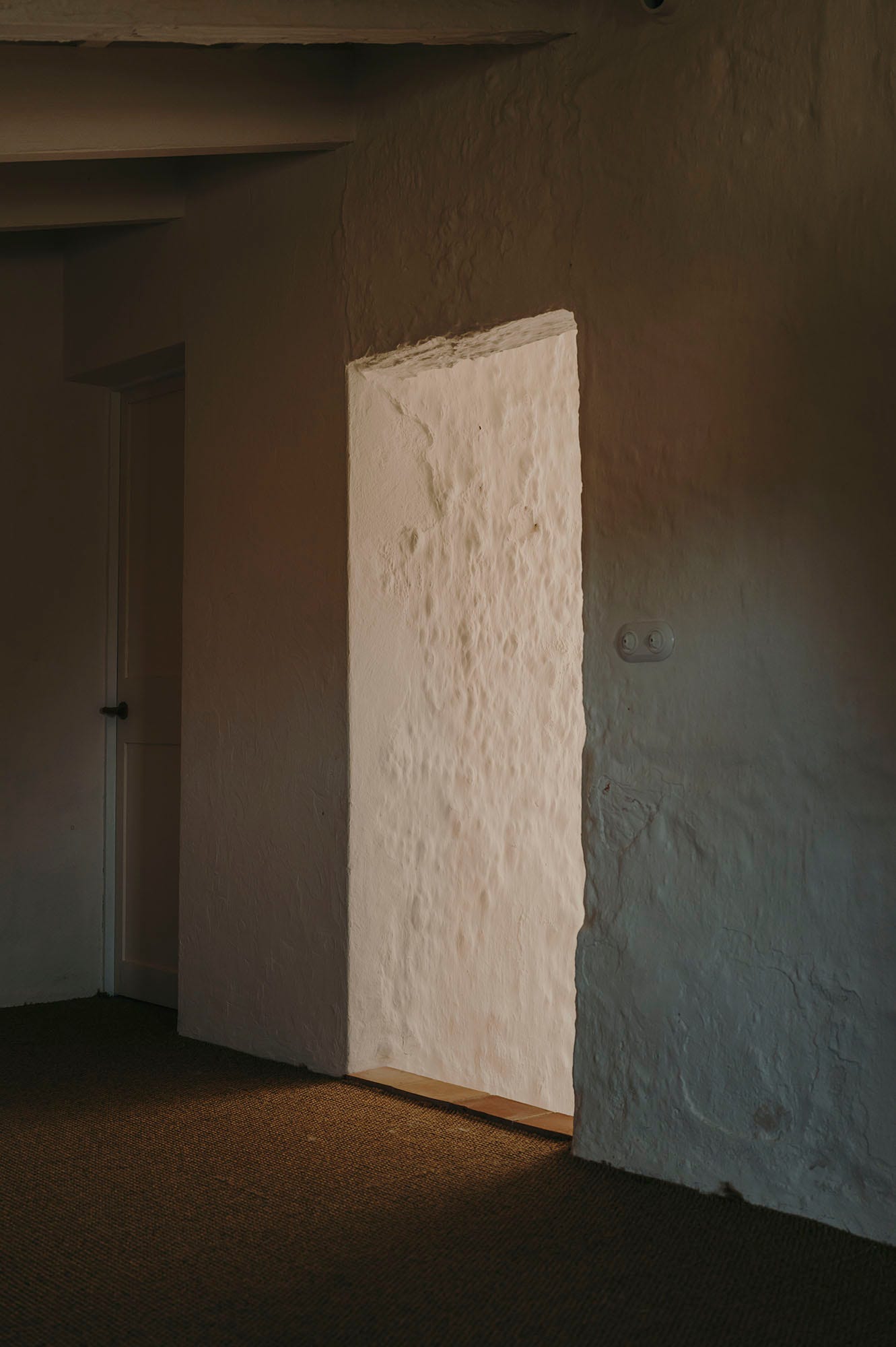
Subimos a la primera planta. Tiene sentido: más íntima, más oscura, paredes de cal, techo bajo y una moqueta de sisal natural que da mucha calidez. Mala idea si toca salir corriendo. Caterina entra en trance con Maica. Yo observo, hago alguna foto y pregunto a ChatGPT cuándo cortar y salir hacia el hospital. Me sugiere esperar un par de horas. El riesgo de rotura uterina tras una cesárea previa es bajo, pero no nulo; cuanto más tiempo pase, peor. Me acelero; sudo. Coloco los cojines para meditar: no puedo. Me siento, vuelvo a la cámara, ofrezco agua. Entramos en un bucle parecido al del parto de Cèlia. Va bien, pero no avanza. El reloj corre: la una del mediodía. Llevamos cuatro horas de contracciones profundas que, dice Caterina, llegan hasta a ser agradables. No quiero ser un corta-rollos, pero me armo de valor y bajo a buscar a Ursula.
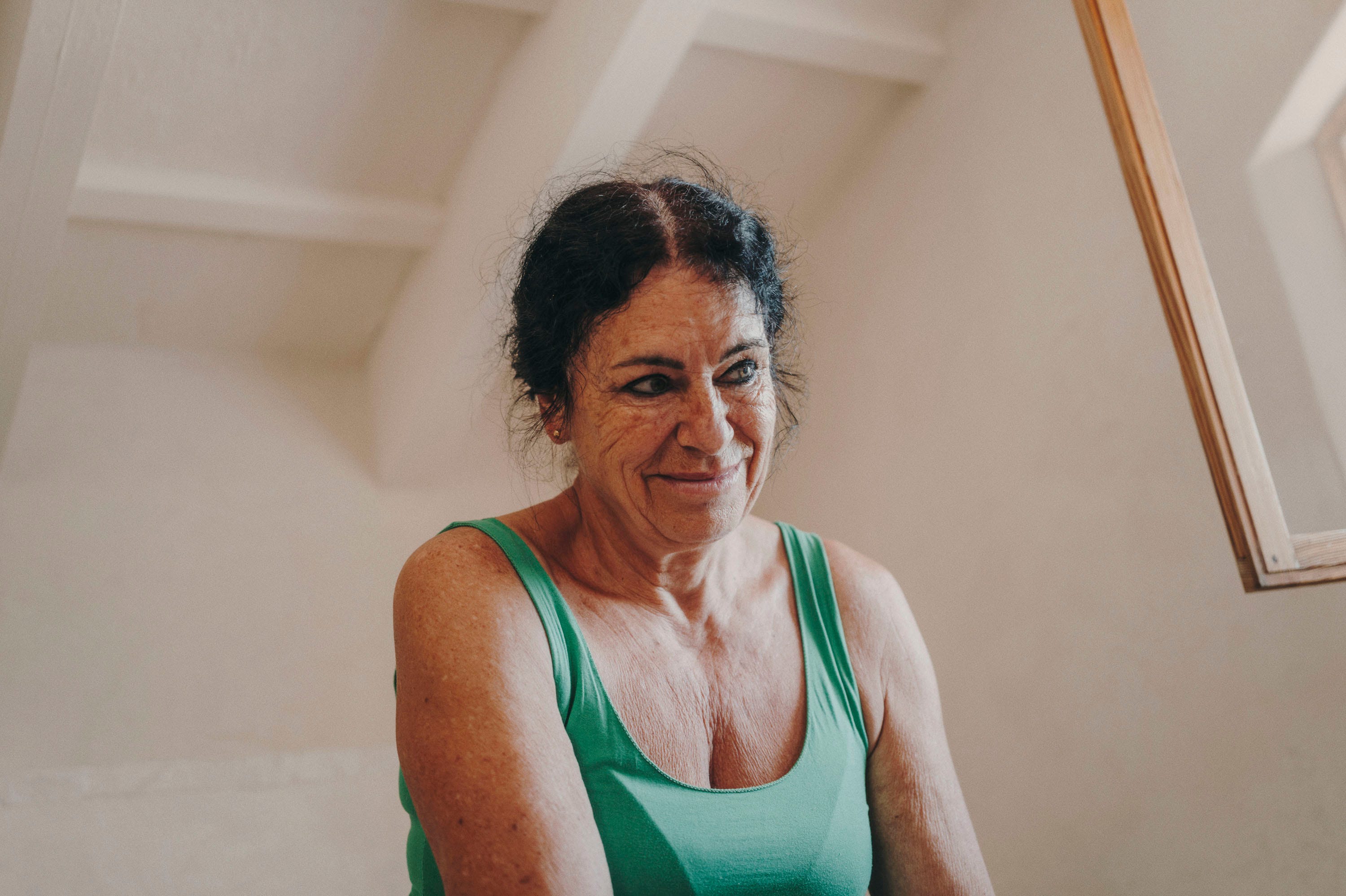
Ursula Walch es una matrona austríaca con más de cinco mil partos a sus espaldas. Autora (entre otros libros de distinta índole) del libro Nací en Casa, Memorias de una matrona viajera. Una mujer muy particular. Se lo toma todo con mucha calma, al contrario que Inma, que asistió al parto de Cèlia, que era puro nervio y con la cual no acabé de congeniar. Me la encuentro sentada en una silla coca rossa del jardín, con los pies encima de una mesita auxiliar de madera, mira el móvil mientras toma un café. La llamo para que ausculte el corazón de Ariadna y le pregunto si podemos acelerar el proceso. Tras este chequeo, confirmamos que Caterina está ya en la máxima dilatación.
Ursula sugiere una inversión hacia delante (Forward‑Leaning Inversion): rodillas en la cama, manos o antebrazos en el suelo y pelvis elevada, para favorecer el encaje y la rotación. Yo vuelvo a la habitación contigua. No quiero mirar; sigo con ChatGPT. ¿Qué hago si no funciona? ¿Cuándo llamo a la ambulancia? Con Cèlia, ese fue el punto crítico: por su posición anversa, no pudo colocarse en el canal de parto y al forzarlo provocamos una bradicardia en el bebé.
Tras un par de contracciones, de repente, empiezan a escucharse otra clase de gritos desde el dormitorio. Muy distintos a los anteriores, que parecían gemidos. Ahora denotan un dolor intenso. Cojo la cámara y me acerco. La cara de Caterina es otra; desencajada, partida por el dolor. Le cuesta seguir las instrucciones de Ursula. No se puede mover. Ariadna se ha colocado dentro del canal de parto. Empieza el expulsivo, la parte final. En un movimiento rápido vamos al baño y, justo al entrar, Caterina rompe aguas. Salvamos la moqueta por cinco segundos.
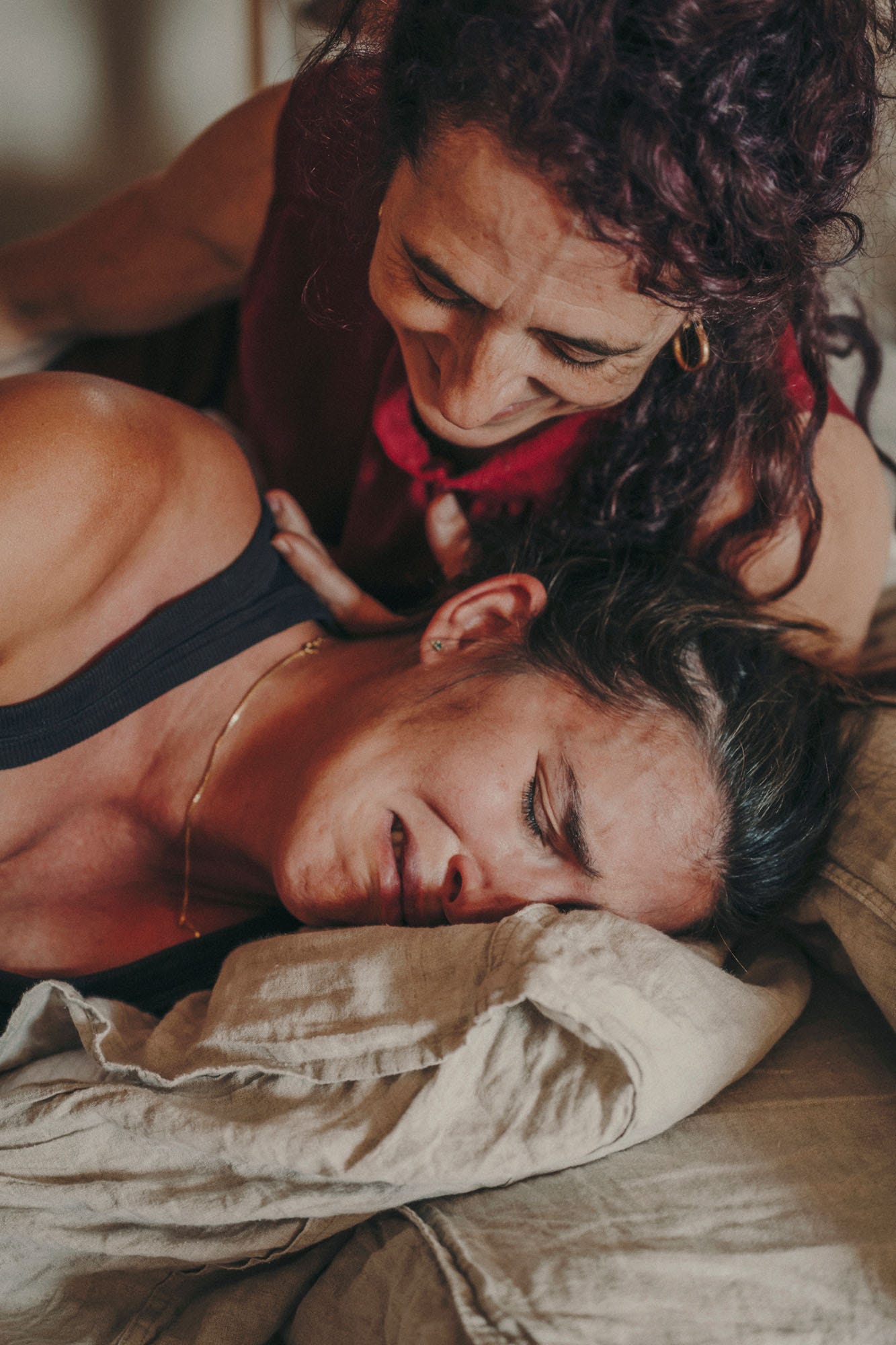
Entro en un mundo nuevo. Desde que pisamos el baño, todo es distinto: los gritos, el líquido amniótico empapando las baldosas de barro. Esto avanza. La cara de Ursula me da confianza. Me siento distinto, optimista.
Caterina sigue gritando. No puede moverse y acabamos tumbados en la ducha. Voy a por las almohadas de la cama. Ursula avisa que ya asoma la cabeza. Siento un subidón. Mis paranoias, para variar, solo eran paranoias. Caterina es una mujer funcional que puede parir. Menudo imbécil estoy hecho.
Aquí, al fin, consigo conectar con el presente. Empiezo a dislumbrar a Dioniso, no desde el miedo a la muerte, sino desde la vida. Mis peores temores se convierten en esperanza. Parece muy probable que Ariadna nazca en casa.
Último de los olímpicos. Hijo de Zeus y la mortal Sémele. Nacido “dos veces”: cuando Hera hizo morir a su madre, Zeus lo cosió a su muslo y lo llevó a término. Su culto llega como extranjero desde Tracia y Asia Menor. Dios del vino y la vid, sí; pero también del éxtasis, la fiesta, el teatro y la metamorfosis. Representa la naturaleza que brota y decae, la vida que incluye la muerte y el volver a empezar. El caos. En los relatos órficos, los Titanes lo despedazan; de esa muerte vuelve la vida. Dioniso recuerda lo que somos: naturaleza; no podemos escapar de ella. En Delfos comparte templo con Apolo: cuando este se ausenta en invierno, Dioniso preside. No son contrarios: se equilibran. Apolo pone forma y medida; Dioniso, fermento y desborde. Juntos hacen sitio a la vida. Su esposa es Ariadna (la del hilo y el Minotauro); de ahí el nombre de mi hija.
En otras tradiciones asoma la misma idea. El taoísmo lo llama wu wei: no forzar, dejar que el Tao, un orden vivo que a veces parece caos, haga su trabajo. El zen habla de la “Gran Muerte” del yo y de que la forma es vacío: soltar la idea de control para que aparezca la presencia simple.
En Oriente, lo absoluto se nombra sin rostro: Tao, Vacío (śūnyatā) o Brahman.
En Occidente le ponemos caras y relatos: Apolo, Dioniso o Cristo.
Tras cada contracción, la cabeza de Ariadna asoma un poco más. Ursula le pregunta a Caterina si quiere tocarla; ella está ida, tiene el rostro tomado por el pánico. No se atreve a tocarla. No es solo dolor: parece ver algo hondo y tremendo. Repite que va a morir, que no puede más, que tiene miedo, que no puede obedecer, que ha perdido el control. Maica la sostiene: «todas hemos podido y tu también podrás». Yo le doy aire con un abanico camboyano roto y, en voz baja, me digo que no siempre: algunas no han podido.
Aquí asoma la diferencia crucial (y biológica) entre hombres y mujeres. Nosotros, los hombres, no podremos vivir nunca algo parecido. No llevamos de serie ese trato con Dioniso; si queremos rozarlo, tenemos que buscarlo (y es peligroso), y aun así nunca daremos a luz. Por eso muchos (me incluyo) caemos en la tarea titánica de querer controlarlo todo, de domesticar la naturaleza: tememos profundamente a este dios. Nos aterra perder el control, hacer el ridículo y, sobre todo, la muerte. Preferimos orar solo a Apolo y, así, caemos en su peor defecto: la arrogancia. De esta manera hemos creado este mundo moderno, patológicamente apolíneo, donde ocultamos lo dionisíaco creyendo así que nos libraremos de él. Lo hemos relegado a conciertos, raves, festivales y carnavales: puro ocio, sin intención ni rito. Cuando aparece en serio, lo anestesiamos con sucedáneos: alcohol y pastillas, pantallas y scroll, trabajo compulsivo o espiritualidad exprés. Así acabamos en vidas sin sentido, presas de deseos prefabricados o de bacanales vacías.
Es por eso que Dioniso es un dios especialmente cercano a lo femenino; como sugiere Maria Daraki, bajo él late la antigua religión de la Diosa-Tierra. De ahí que, entre otras cosas, acepté el parto en casa: parir así ofrece un conocimiento hondo y necesario; perdérselo es perder una de las grandes lecciones de la vida. Te recuerda que estamos en manos de los dioses, que controlamos poco, que buena parte de lo que llamamos orden es una ilusión. Yo lo entiendo con la cabeza (una manera menor de sentirlo) pero Caterina lo ha vivido en su plenitud, tras un dolor inmenso que terminó abruptamente cuando dio a luz a Ariadna, a las 13:50 h, con cuatro kilos de peso.
Admiro profundamente a Caterina. Sonará obvio, pero estar presente en un parto (sobretodo en uno de este tipo) es una lección de vida y de humildad. Le estaré eternamente agradecido por empujarme a ser padre: yo no quería; me bastaba con mi camino artístico y profesional. Pero cuando uno se abre a la vida, se abre a Dioniso y, con él, si uno está dispuesto, empieza a comprender (y a aceptar) el sufrimiento, el caos y esa naturaleza que nos desborda. Uno puede empezar a soltar. La herida sigue ahí; no desaparecerá, pero duele menos.
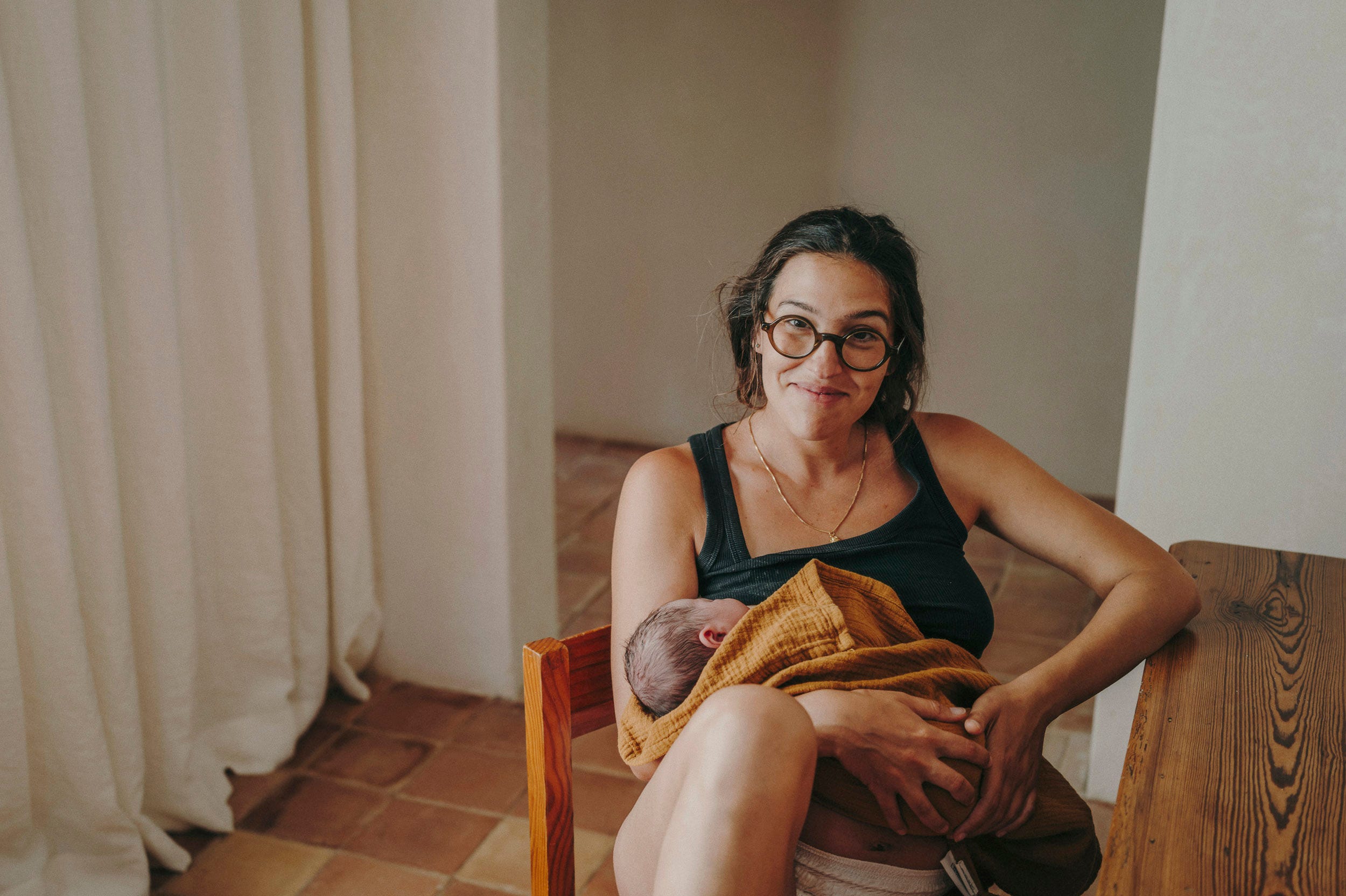
Parir en casa es algo único. Más allá de poder parir de forma natural (algo que también puede ocurrir en el hospital), no salir del propio entorno lo vuelve especialmente mágico. A las pocas horas estábamos en el salón, recibiendo a la familia y esa noche nos dormimos los cuatro juntos en nuestra cama leyendo el mismo cuento de siempre. Cada vez que me ducho y abro la ventana, siento aquella brisa y vuelvo a ese instante. Me alegra estar vivo y doy gracias a Dioniso por este regalo.
Hoy la gran mayoría de las mujeres eligen el parto con anestesia en un entorno hospitalario. No soy defensor del dolor ni del sufrimiento, y quizá yo no sería tan valiente como Caterina. Entiendo incluso a quien prefiere una cesárea programada, con todo “bajo control”. No soy un hater de los hospitales; de hecho, no conecto con muchas cosas de lo “natural”. Lo que no compro es el pack: si optas por un parto en casa, no tienes por qué volverte antivacunas, sospechoso de todo lo farmacológico, conspiranoico o fan de la homeopatía, aunque muchas veces el placebo sea mejor que lo que ofrece la medicina. Quiero el rito sin renunciar a la ciencia. Sería una pena perderse de primera mano a un dios como este.
He realizado este post inspirado en la magnífica charla sobre “Dioniso y la Gula" entre Silvia Tarragó y Ritxi Ostariz, en la serie La Sibila. Desde la psicología arquetipal recorren distintos dioses y sus sombras (pecados capitales). Recomiendo la escucha y, en general, el podcast de Ritxi, El Libro Rojo.
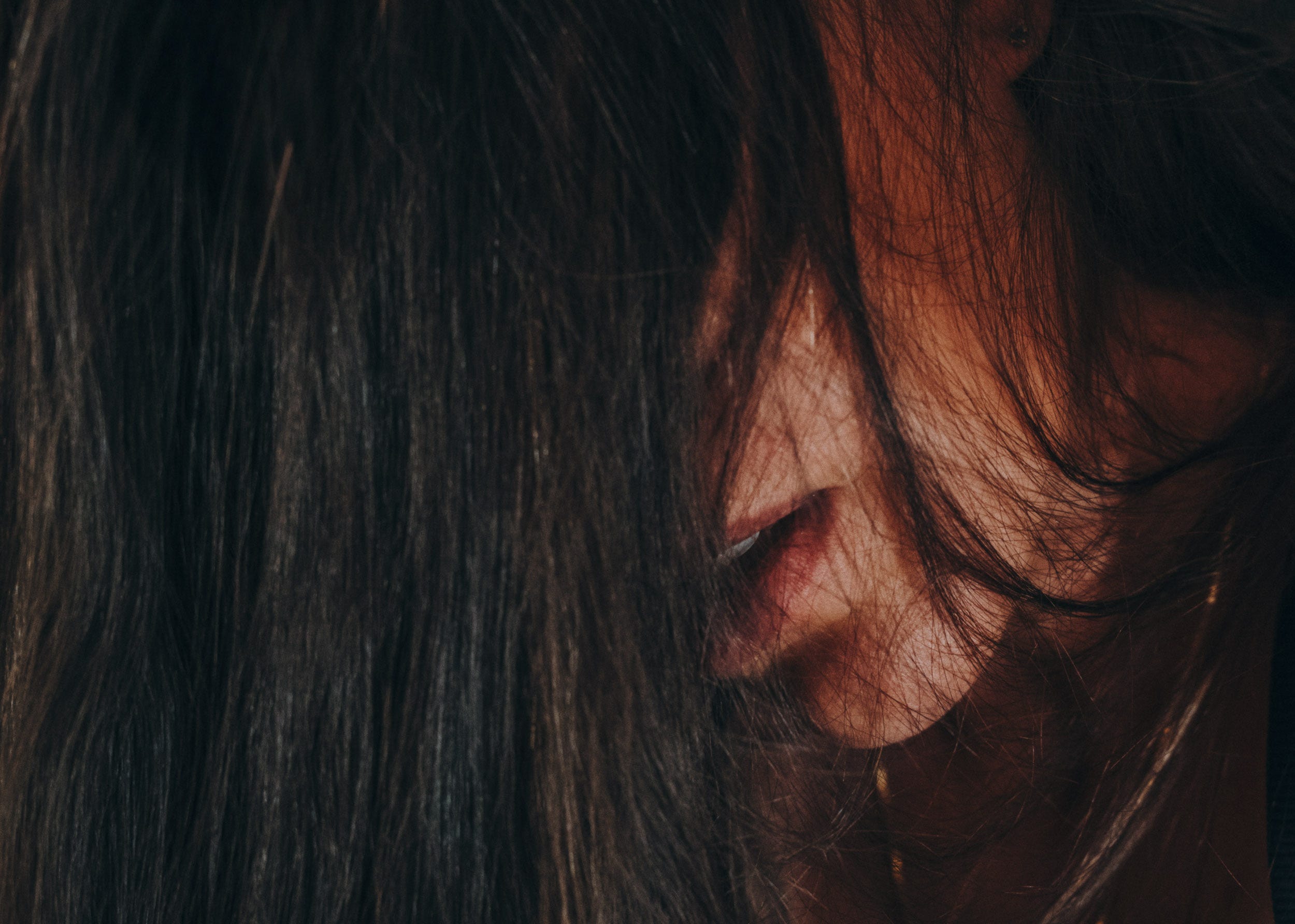
Ariadna was born three months ago today, my second daughter.
I tend to catastrophize the future. I only keep that impulse in check with weights, meditation, and routine; I don’t stick to any of them as consistently as I should.
With Cèlia, our first daughter, things didn’t go the way we’d hoped. They didn’t end badly, but Caterina couldn’t have the home birth she wanted. After sixteen hours of intense contractions we ended up at the hospital and, after listening to each other and talking it through with the doctors, we agreed to a C-section. The lesson was simple and hard: no matter how many luminous home-birth videos you watch, and no matter how much you visualize, trust, or pray, life doesn’t follow our scripts. Luckily, we live in the twenty-first century and we have a healthcare system that now saves lives that used to be lost.
When Cèlia was born, Caterina seemed to float in an oxytocin cloud (I don’t know if from the drugs or from her own body). Weeks, even months, of quiet love: gratitude and acceptance. Despite the unexpected ending, she was convinced she’d had a complete birth—that “splitting in two” so many women talk about. Three years later she tells me, with a touch of sadness, how wrong she was.
June 11, 2022 was the most stressful day I can remember. I can’t say I enjoyed it. Even when I finally held Cèlia in the operating room, under that awful white light, I was completely disoriented.
That stress shaped Ariadna’s pregnancy and birth. I kept projecting that we’d end up in the same place. I was convinced there was some physiological limit that made a natural birth impossible. Caterina and her friends called me crazy, but I dug my heels in: the car ready, an ambulance in mind, Mateu Orfila Hospital forty minutes away. In June, almost an hour because of the horde of tourists clogging the main road across Menorca between Ciutadella and Maó.
At dawn on June 9, Caterina told me it might be the day. She wasn’t entirely sure. Just in case, I took Cèlia to her grandparents and we called Maica, who would be her doula and companion. Ursula, the midwife who had been staying with us for a couple of weeks, stayed calm. After an exam she confirmed it was for real: five centimeters dilated. The day I had dreaded and projected so much had arrived.
This time the air felt different. The house helped; the company too. A light tramuntana breeze (the north wind that reaches Menorca from the Gulf of Lion) had cleared the muggy heat of the previous days. It was a clear, gentle late-spring day. The breeze coming in through the north-facing windows revived me. I felt a bit of optimism, but I couldn’t shake the thought that this would end badly.
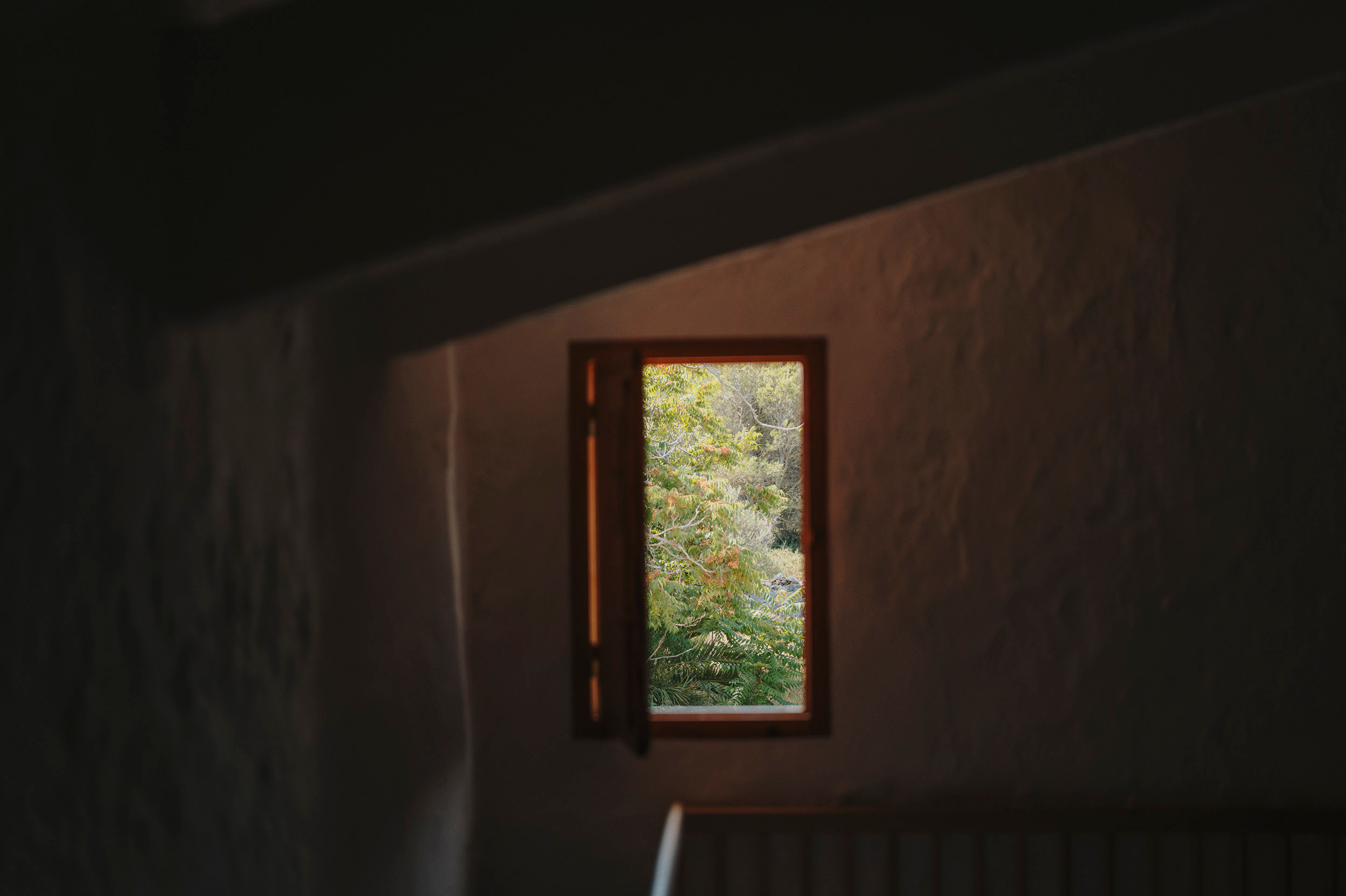
We go upstairs. It makes sense: more intimate, darker, lime-washed walls, a low ceiling, and a natural sisal carpet that warms the room. A bad idea if we need to run. Caterina slips into a trance with Maica. I watch, take a few photos, and ask ChatGPT when we should call it and head to the hospital. It suggests waiting a couple of hours. The risk of uterine rupture after a previous C-section is low but not zero; the longer we wait, the worse it gets. I wind up; I sweat. I set out the meditation cushions—can’t do it. I sit, go back to the camera, offer water. We fall into a loop like Cèlia’s birth. It’s going well, but it isn’t moving. The clock runs: one p.m. We’ve had four hours of deep contractions that, Caterina says, can even feel pleasant. I don’t want to be a killjoy, but I work up the nerve and go downstairs to find Ursula.
Ursula Walch is an Austrian midwife with more than five thousand births behind her. She’s the author—among others—of I Was Born at Home: Memoirs of a Traveling Midwife. A very particular woman: she takes everything calmly, unlike Inma, the midwife at Cèlia’s birth—pure nerves—with whom I never really clicked. I find her sitting on a red coca rossa garden chair, feet on a small wooden side table, looking at her phone while she sips coffee. I ask her to listen to Ariadna’s heartbeat and whether we can speed things up. After the check, we confirm Caterina is fully dilated.
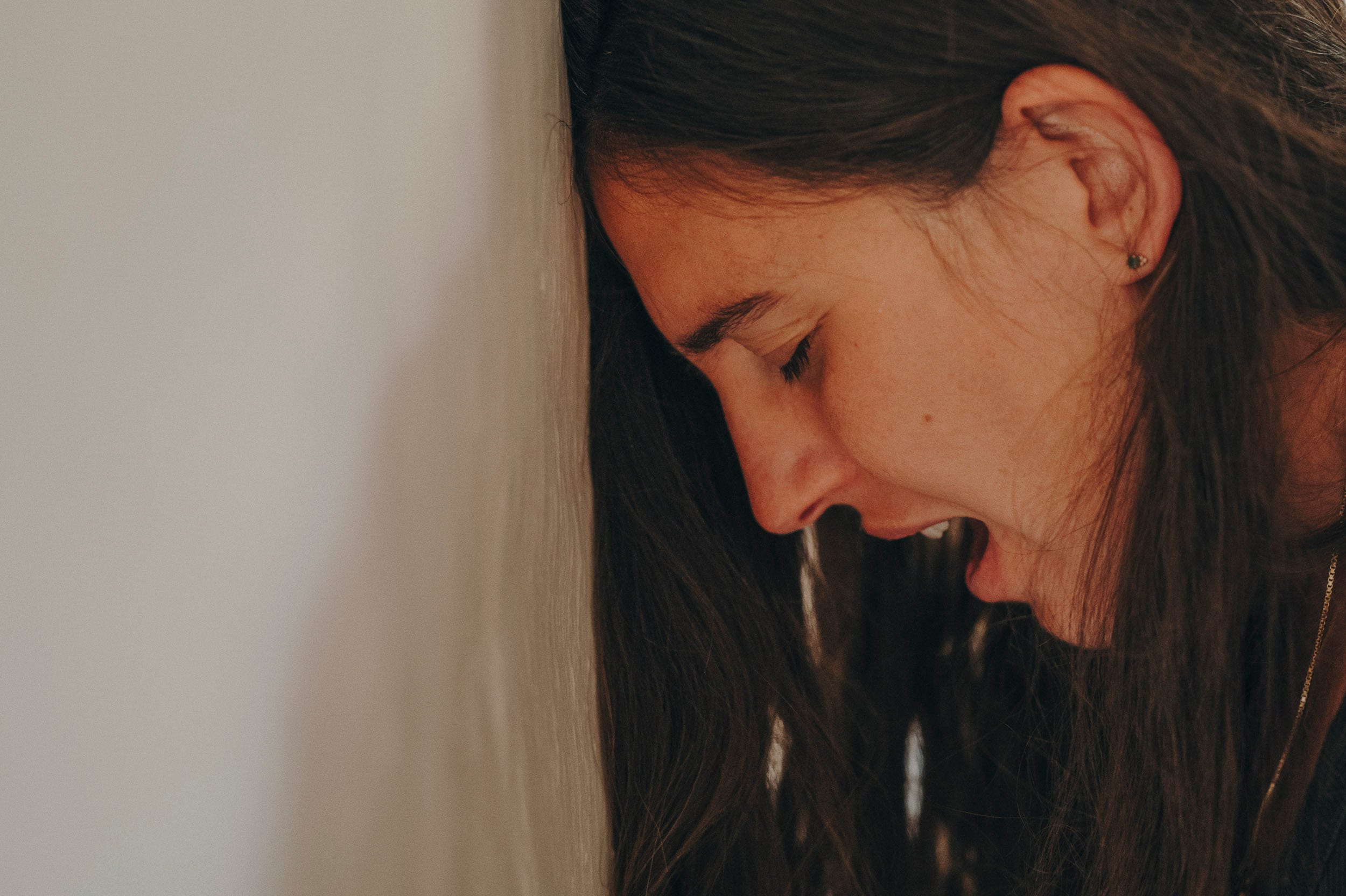
Ursula suggests a forward-leaning inversion (knees on the bed, hands or forearms on the floor, hips high) to help engagement and rotation. I go back to the next room. I don’t want to look; I return to ChatGPT. What do I do if it doesn’t work? When do I call an ambulance? With Cèlia, that was the critical point: because of her malposition, she couldn’t enter the birth canal, and when we tried to force it we caused fetal bradycardia.
After a couple of contractions, suddenly a different kind of sound comes from the bedroom. Not the earlier moans—this is sharp, real pain. I grab the camera and move closer. Caterina’s face is different, wrenched by pain. She struggles to follow Ursula’s instructions. She can’t move. Ariadna has dropped into the birth canal. The final stage begins. In a quick move we head to the bathroom and, as we get there, Caterina’s water breaks. We save the carpet by five seconds.
I step into a new world. From the moment we enter the bathroom, everything is different: the cries, the amniotic fluid soaking the clay tiles. We’re moving forward. Ursula’s face gives me confidence. I feel different, optimistic.
Caterina keeps screaming. She can’t move and we end up lying in the shower. I run for some pillows. Ursula says the head is crowning. A rush hits me. My paranoias, as usual, were just paranoias. Caterina can do this. What an idiot I am.
Here, at last, I manage to be in the present. I start to glimpse Dionysus—not from fear of death, but from life. My worst fears turn into hope. It now seems very likely Ariadna will be born at home.
Last of the Olympians. Son of Zeus and the mortal Semele. Twice-born: when Hera killed his mother, Zeus sewed him into his own thigh and carried him to term. His cult arrived as a foreigner from Thrace and Asia Minor. God of wine and the vine, yes; but also of ecstasy, festivity, theater, and metamorphosis. He stands for the nature that sprouts and withers, for life that includes death and starting over. Chaos. In the Orphic stories, the Titans tear him apart; from that death, life returns. Dionysus reminds us what we are: nature; there’s no escaping it. In Delphi he shares a temple with Apollo: when Apollo is away in winter, Dionysus presides. They aren’t opposites; they balance one another. Apollo brings form and measure; Dionysus, ferment and overflow. Together they make room for life. His wife is Ariadne—the one of the thread and the Minotaur—which is where my daughter’s name comes from.
In other traditions the same idea appears. Taoism calls it wu wei: not forcing, letting the Tao—a living order that sometimes looks like chaos—do its work. Zen speaks of the “Great Death” of the self and of form-as-emptiness: letting go of the idea of control so simple presence can show up.
In the East, the absolute is named without a face—Tao, Emptiness (śūnyatā), or Brahman. In the West, we give it faces and stories—Apollo, Dionysus, or Christ.
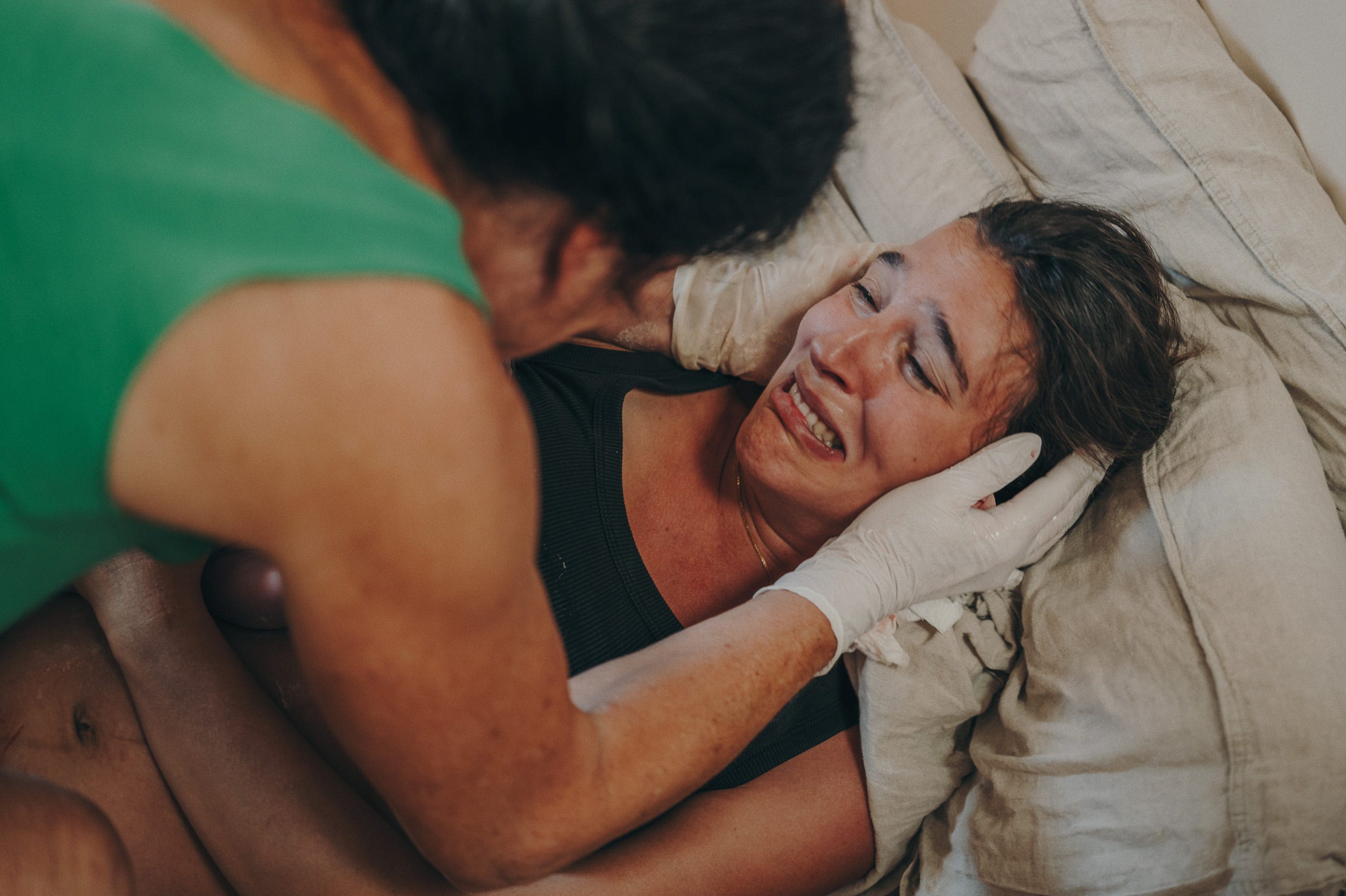
After each contraction, Ariadna’s head peeks out a little more. Ursula asks Caterina if she wants to touch it; she’s spaced out, her face seized by panic. She doesn’t dare. It isn’t just pain: she seems to be seeing something deep and tremendous. She keeps repeating that she’s going to die, that she can’t go on, that she’s afraid, that she can’t follow instructions, that she’s lost control. Maica holds her: “we’ve all managed, and you will too.” I fan her with a busted Cambodian fan and, under my breath, tell myself that not always: some haven’t.
Here a crucial( and biological) difference between men and women shows itself. We men will never live anything like this. We aren’t born with that built-in relationship with Dionysus; if we want to brush against it, we have to go looking for it (and it’s dangerous) and even then we will never give birth. That’s why many of us(including me) fall into the titanic task of trying to control everything, to domesticate nature: we are deeply afraid of this god. We’re terrified of losing control, of making fools of ourselves, and above all of death. We prefer to pray only to Apollo and, in doing so, we fall into his worst flaw: arrogance. In this way we’ve made a modern world that is pathologically Apollonian, where we hide the Dionysian, believing that will spare us from it. We’ve relegated it to concerts, raves, festivals, and carnivals: mere entertainment, with no intention or rite. When it shows up for real, we anesthetize it with substitutes—alcohol and pills, screens and scrolling, compulsive work or express spirituality. That’s how we end up in lives without meaning, captive to prefabricated desires or empty bacchanals.
That’s why Dionysus feels like a god especially close to the feminine; as Maria Daraki suggests, beneath him pulses the ancient religion of the Earth-Goddess. That’s also why I accepted a home birth: giving birth that way offers deep, necessary knowledge; to miss it is to miss one of life’s great lessons. It reminds you that we are in the hands of the gods, that we control little, that much of what we call order is an illusion. I grasp this in my head (a lesser way of feeling it) but Caterina has known it fully, after an immense pain that ended abruptly when Ariadna was born, at 1:50 p.m., weighing four kilos.
I admire Caterina deeply. It may sound obvious, but being present at a birth—especially one like this—is a lesson in life and humility. I’ll be forever grateful to her for pushing me into fatherhood: I didn’t want to; my artistic and professional path felt enough. But when you open yourself to life, you open yourself to Dionysus and, with him, if you’re willing, you begin to understand and to accept—suffering, chaos, and that nature that overwhelms us. You can start to let go. The wound is still there; it won’t disappear, but it hurts less.
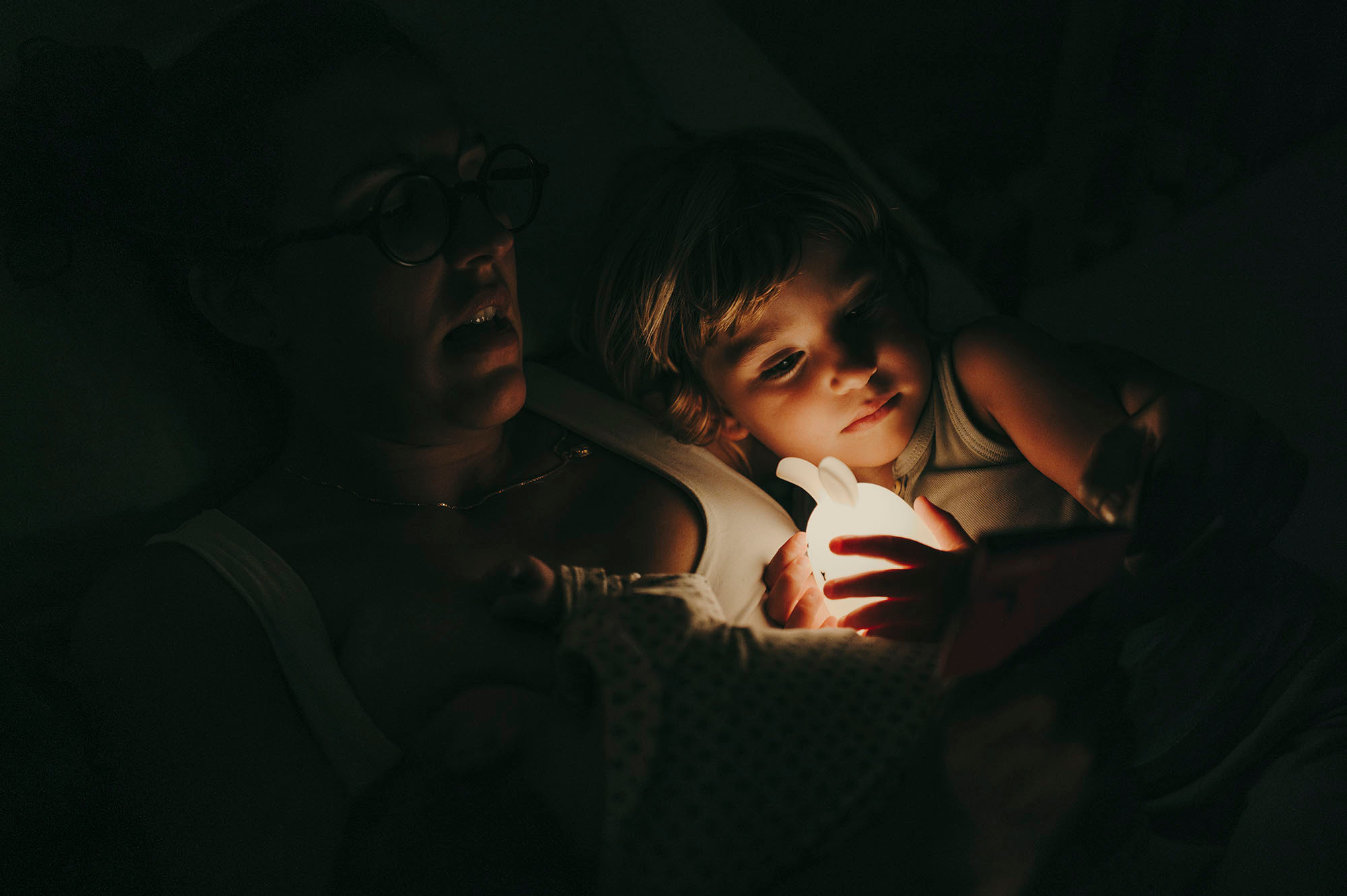
Home birth is something singular. Beyond being able to deliver naturally (which can also happen in a hospital), staying in your own space makes it feel especially magical. A few hours later we were in the living room, welcoming family, and that night the four of us fell asleep in our bed reading the same old story. Every time I shower and open the window, I feel that breeze and I’m back in that moment. I’m glad to be alive, and I thank Dionysus for this gift.
Today, the vast majority of women choose to give birth with anesthesia in a hospital setting. I’m not an advocate of pain or suffering, and maybe I wouldn’t be as brave as Caterina. I can even understand those who prefer a scheduled C-section, with everything “under control.” I’m not a hospital hater; in fact, I don’t connect with many aspects of what’s considered “natural.” What I don’t buy is the whole package: if you opt for a home birth, it doesn’t mean you have to become anti-vaccine, suspicious of all things pharmaceutical, conspiratorial, or a fan of homeopathy—though often the placebo works better than what medicine offers. I want the rite without giving up science. It would be a shame to miss firsthand a god like this.
I wrote this piece inspired by the excellent conversation (spanish only) “Dionysus and Gluttony” between Silvia Tarragó and Ritxi Ostariz in the series La Sibila. From archetypal psychology they walk through different gods and their shadows (the capital vices). I recommend giving it a listen—and, in general, Ritxi’s podcast El Libro Rojo.
Thank you
<3